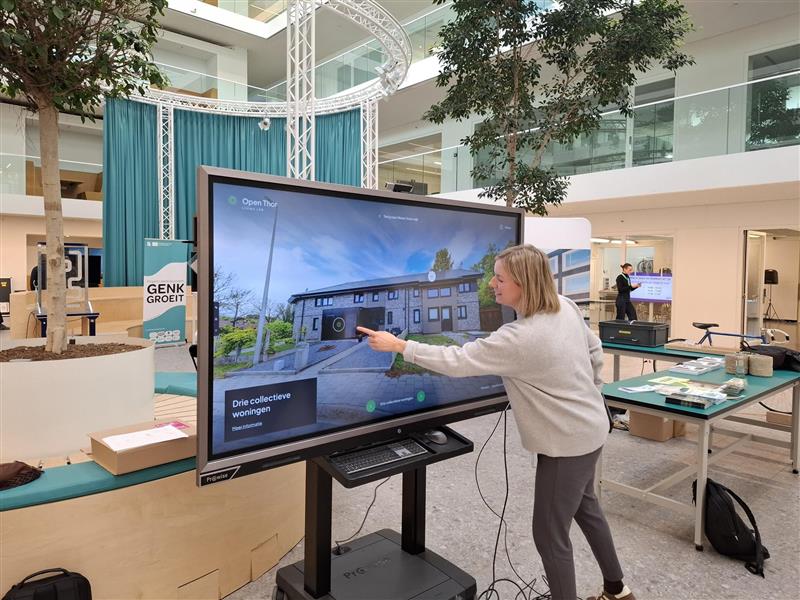
In Genk, Belgium, the energy transition is not unfolding in laboratories or simulation models alone—it is happening in real homes, streets, and neighborhoods. As one of several Living Labs within the EU-DREAM project, the Belgium Living Lab plays a key role in testing how digital tools, renovation strategies, and monitoring technologies perform in everyday conditions. Working closely with residents, local authorities, housing companies, and technical partners, the site allows EU-DREAM to explore consumer-centric energy solutions in rea lworld settings, with particular attention to vulnerable communities.
EU-DREAM is a Horizon Europe project focused on “bridging the digital divide” in energy by developing consumer-centered digital services that make participation in the energy transition more intuitive and accessible. Across six Living Labs in Europe, the project tests solutions in real-world conditions because adoption depends as much on trust, literacy, and daily usability as it does on technology performance.
The Genk Living Lab is grounded in the Horizon Europe project oPEN Lab between VITO, Wonen in Limburg (WiL), STEBO, and the City of Genk, linking technical expertise with local authority insight, hands-on renovation coaching, and the lived experience of tenants in a neighborhood where affordability and energy vulnerability are part of the reality EUDREAM aims to address.
Making energy visible: starting with conversation, not complexity
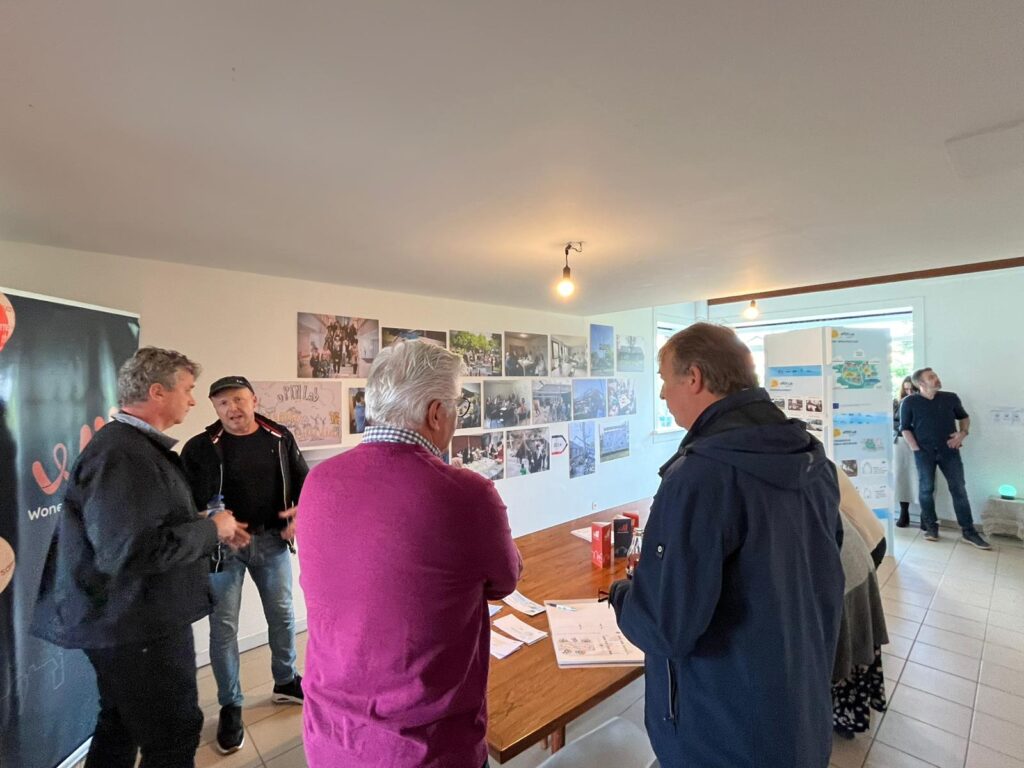
One of the clearest lessons from Genk is that effective innovation begins with energy becoming “visible” in everyday language. During the Day of Social Living, WiL hosted 60 members of the public and used the Living Lab’s information point to open a practical conversation on energy and energy awareness.
Instead of leading with technical explanations, the event invited people to explore through interactive experiences: a timeline highlighting milestones, a neighborhood quiz, mythandfact cards that tackled common misconceptions, and simple voting activities that turned opinions into discussion.
A few weeks later, the Living Lab broadened the discussion by linking energy renovation to the wider climate conversation during the Day of Science – Climate Walk Waterschei, organised by the City of Genk. Blending public engagement with guided learning in the neighborhood, the event featured information stands and interactive elements that made monitoring and renovation efforts tangible. This highlights an ongoing observation in the energy transition: engagement is influenced not only by motivation, but also by the availability of necessary resources. Presenting energy renovation in a vulnerable neighborhood raised public awareness of energy poverty, showed the importance of monitoring, and demonstrated its impact on households.
The event integrated public participation with structured neighborhood education. Attendees engaged with informative displays and interactive features that effectively demonstrated the monitoring and renovation initiatives.
Opening the doors: the renovated home as a “hands-on” demonstration
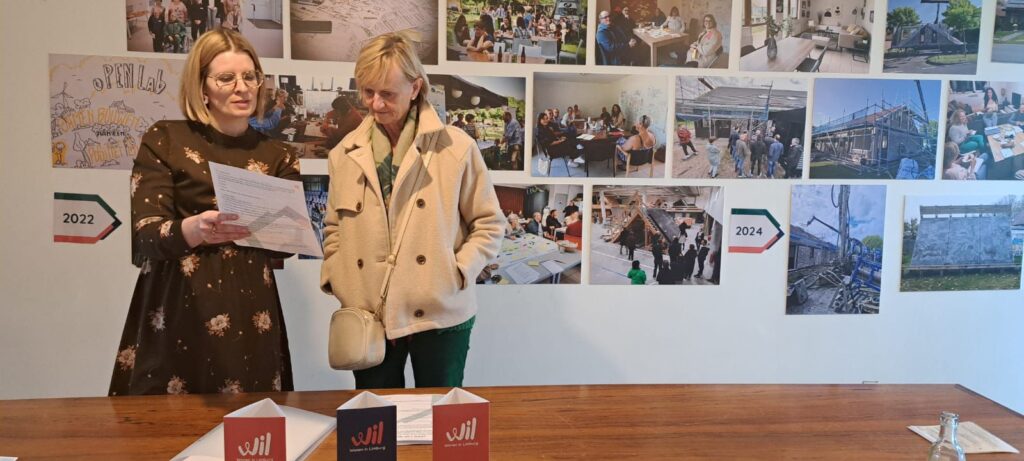
If the information point started the conversation, oPEN (Lab) House Week made it unforgettable. STEBO opened a fully renovated garden-city home in the Waterschei district to a wide range of visitors: neighbors, community ambassadors, renovation professionals, journalists, city departments, and even representatives from another city.
The house itself tells a powerful story of what’s possible when heritage constraints meet modern performance standards. After six months of renovation work, the century-old building was transformed into a fossilfree, energy label A home equipped with a geothermal heat pump, ventilation system, and 33 solar panels..
Each tour was customized for its audience, and each group brought unique questions. Local residents came looking for inspiration; community workers explored affordability and scalability; renovation coaches wanted materials and technical decisions; policymakers and journalists focused on the broader “neighborhood of tomorrow” narrative; and future tenants wanted clarity about comfort and how the systems work day to day. In EUDREAM’s Living Lab logic, that adaptability is the point: a tool, a renovation measure, or a monitoring concept only succeeds if it can be understood, trusted, and used by the people who live with it.
From local impact to European relevance
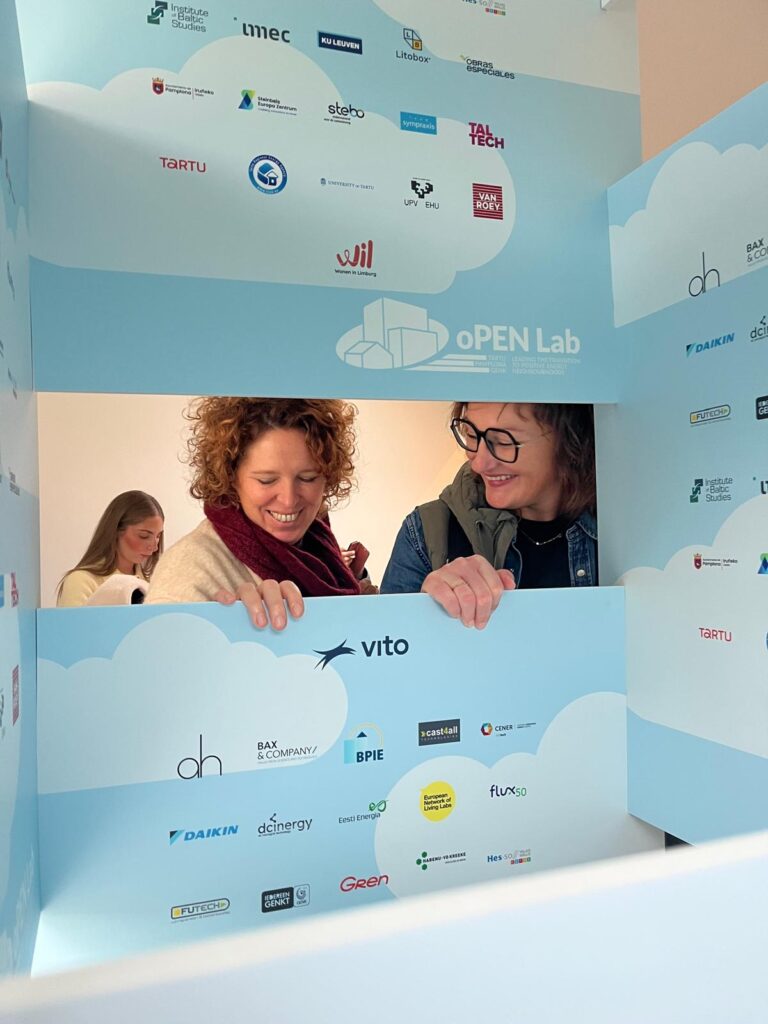
As the Living Lab matured, visits increasingly linked Genk’s experience to broader stakeholder learning. VITO hosted a guided tour for professional stakeholders from industry, customers, and investors—showcasing renovations underway and explaining the monitoring campaign in a context that encourages replication beyond one neighborhood.
Genk’s Role in Shaping EUDREAM’s Future
EUDREAM’s mission centers on ensuring that digital energy innovation delivers real benefits to consumers. By using Living Labs, EUDREAM tests how these innovations are adopted in everyday settings, acknowledging that the “last mile” is where meaningful change occurs. Genk exemplifies this approach by treating its Living Lab not merely as a display, but as an open environment for shared learning. Within this space, residents are encouraged to ask questions, professionals assess practical feasibility, cities consider how to replicate solutions, and policymakers connect local experiences with broader European goals.
In Waterschei and Nieuw-Texas, Genk’s energy transition is made tangible through visible renovations, public events, and ongoing dialogue. This is precisely the role of a Living Lab: to transform innovation from an abstract concept into something accessible, understandable, and participatory. It allows people to engage, learn, and actively shape the future of energy within their community.